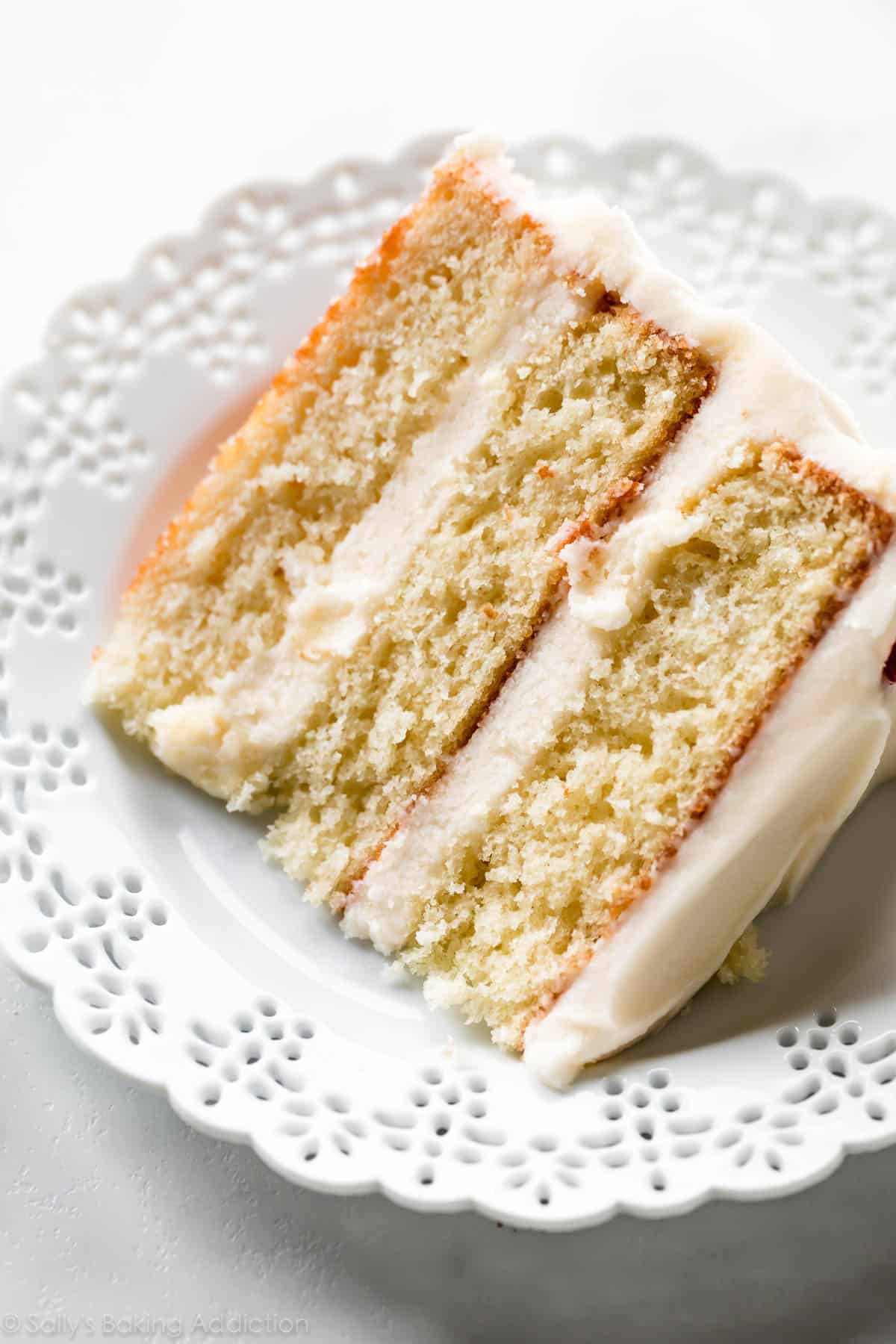
Unlock the secrets to baking a vanilla cake that transcends expectations. Forget dry, bland supermarket versions; we're talking about a moist, tender, and intensely flavorful creation that will quickly become your go-to for every occasion. Whether you're a seasoned baker or just starting your culinary journey, this ultimate guide will equip you with everything you need to bake the best vanilla cake recipe, perfect for stunning layer cakes, charming cupcakes, and everything in between.
There's a reason vanilla cake holds a special place in our hearts – its simple elegance allows the pure, comforting flavor of vanilla to shine. But achieving that perfect balance of sweetness, richness, and an airy yet tender crumb requires more than just mixing ingredients. It's about understanding the subtle science behind each step, ensuring every slice is a slice of pure heaven.
The Secret to the Best Vanilla Cake Recipe: Flavor & Texture Harmony
What truly elevates a good vanilla cake to the status of the best vanilla cake recipe? It’s a meticulous balance of ingredients that work in synergy to create an unforgettable taste and texture. Our journey to vanilla cake perfection begins with two often-underestimated components: butter and vegetable oil.
Many recipes lean solely on butter for flavor, but the magic in our ultimate guide lies in the thoughtful combination of both. Butter delivers that rich, unmistakable dairy note that defines a classic vanilla cake. However, vegetable oil plays an equally critical role, imparting an unparalleled moisture and tenderness that butter alone can't achieve. This clever pairing ensures your cake stays moist for days, resisting the common pitfall of drying out too quickly. It's a fundamental technique for those who want to Unlock The Best Vanilla Cake: Moist, Flavorful & Easy From Scratch.
Beyond the fats, the heart of any vanilla cake is, naturally, the vanilla itself. We advocate for a full tablespoon of pure vanilla extract. This generous amount ensures a bold, authentic vanilla flavor that isn't shy, but rather sings through every bite. Steer clear of imitation extracts; pure vanilla offers a depth and complexity that elevates the entire cake. Finally, buttermilk adds a delicate tang that beautifully balances the sweetness, contributing to both moisture and a finer crumb.
Mastering Ingredients for a Flawless Bake
The quality and preparation of your ingredients are paramount when striving for the best homemade vanilla cake. Every component plays a specific role, and understanding these nuances will transform your baking from guesswork to a consistent triumph.
Essential Ingredients & Why They Matter:
- Cake Flour: This is your secret weapon for a truly light and tender crumb. Cake flour has a lower protein content than all-purpose flour, resulting in a softer texture. If you must substitute with all-purpose flour, be sure to measure it carefully and sift it several times to aerate it and prevent a denser cake.
- Salted Butter: We recommend salted butter for convenience and its inherent flavor enhancement. If using unsalted butter, simply add an extra pinch (about 1/8 teaspoon) of fine salt to your dry ingredients to achieve a similar balance.
- Vegetable Oil: As mentioned, this is key for maintaining exceptional moisture and a soft texture.
- Granulated Sugar: Stick to standard granulated sugar for optimal results. Its fine crystals dissolve evenly, contributing to the cake's structure and sweetness.
- Buttermilk: Beyond moisture and tang, buttermilk's acidity reacts with baking powder, promoting a beautiful, even rise.
- Eggs: Crucial for structure, richness, and aiding in the cake's rise.
- Pure Vanilla Extract: Go for the good stuff! A full tablespoon ensures that rich, unmistakable vanilla aroma and taste.
- Baking Powder: The leavening agent that gives your cake its lift. Always check the expiration date; old baking powder can lead to a flat, dense cake.
The Room Temperature Advantage:
One of the most crucial, yet often overlooked, tips for achieving the best vanilla cake recipe is using room temperature ingredients. This isn't just a baker's preference; it's a scientific necessity. Room temperature ingredients emulsify more easily, creating a smoother, more uniform batter. This smooth batter bakes more evenly, resulting in a tenderer, fluffier cake texture.
If you're short on time, here are quick hacks:
- Buttermilk: Microwave for 20-30 seconds until just warm to the touch.
- Butter: Cut your butter into smaller cubes and let it sit on the counter for 15-20 minutes, or gently microwave for 10-15 seconds (be careful not to melt it!).
- Eggs: Submerge eggs (still in their shells) in a bowl of warm (not hot) water for 5 minutes.
Understanding these Secrets to The Most Amazing Vanilla Cake: Ingredients & Methods is what truly sets apart a good cake from a great one.
Baking Versatility: Layers, Cupcakes & More
The beauty of this best vanilla cake recipe lies in its incredible versatility. It's robust enough to stand up to various pan sizes and forms, making it perfect for any occasion, from an elaborate wedding celebration to a simple afternoon tea.
Adapting Your Bake:
- Classic Two-Layer Cake: The standard recipe is often perfect for two 9-inch round cake pans, yielding beautiful, even layers. Once cooled, simply slice each cake horizontally to create four thinner layers if you desire a taller, more dramatic presentation, or frost as two thicker layers.
- Tall Three-Layer Cake: Craving a showstopper? Easily triple the recipe and divide the batter evenly among three 9-inch round pans. You'll achieve a truly impressive, sky-high cake. Remember to adjust baking times; three thinner layers will typically bake faster, usually around 20-25 minutes.
- Delightful Cupcakes: This batter transforms wonderfully into fluffy, individual treats. Line muffin tins with paper liners, fill each cup about two-thirds full, and bake at 350°F (175°C) for approximately 18-22 minutes, or until a wooden skewer inserted into the center comes out clean.
Pan Size Conversions:
Always fill your cake pans no more than two-thirds full to prevent overflow and ensure an even rise. If you opt for different pan sizes, be mindful of baking times:
- 8-inch Pans: Expect slightly thicker layers, which may require an extra few minutes of baking.
- 10-inch Pans: These will yield thinner layers, so keep an eye on them, as they will bake more quickly.
- Sheet Cake: For a simple sheet cake, pour the batter into a greased and floured 9x13 inch pan. Baking time will vary but generally falls between 30-40 minutes.
No matter the format, this cake promises a delicious outcome, making it the most amazing vanilla cake for your recipe collection.
Beyond the Basics: Techniques and Troubleshooting
While the ingredients are crucial, the techniques you employ can further refine your vanilla cake, ensuring it's not just good, but truly the best vanilla cake recipe you've ever made. Understanding common pitfalls and how to avoid them is key to consistent success.
Exploring the Reverse Creaming Method:
For an exceptionally moist and tender cake with an almost cloud-like crumb, consider employing the reverse creaming method. While our primary guide focuses on a traditional creaming approach, reverse creaming is a fantastic technique for those seeking an even finer texture. In this method, you combine all the dry ingredients with the butter first, coating the flour in fat before adding the liquids. This process inhibits gluten development, resulting in an incredibly soft and delicate cake. Once the butter and dry ingredients are fully incorporated, you then add the wet ingredients and mix for a bit longer than traditional methods. It’s a technique often favored by professional bakers for its superior results.
Troubleshooting Common Cake Woes:
Even the most seasoned bakers encounter challenges. Here's how to diagnose and fix common issues to ensure your cake is always a winner:
- "Why is my cake dense?" A dense cake can be attributed to several factors:
- Over-mixing: Once the flour is added, mix only until just combined. Over-mixing develops gluten, leading to a tough, dense texture.
- Under-mixing: Conversely, not creaming butter and sugar enough or not fully incorporating ingredients can also lead to a poor texture.
- Wrong Flour: Using all-purpose flour instead of cake flour without proper sifting can make a cake heavier.
- Old Leavening Agent: Expired baking powder won't activate properly, resulting in a flat, dense cake.
- Cold Ingredients: As discussed, cold ingredients don't emulsify well, leading to a lumpy batter and uneven baking.
- Cake Crumbles Too Easily: This often indicates the cake is dry, possibly due to over-baking or insufficient moisture (ensure you're using both butter and oil!).
- Uneven Rise: Make sure your oven is preheated properly and the rack is centered. An uneven distribution of batter or cold spots in the oven can also contribute.
Always remember to preheat your oven fully, avoid opening the oven door too often during baking, and allow your cake to cool completely on a wire rack before frosting. Patience in cooling prevents breakage and ensures your frosting doesn't melt.
There you have it – your comprehensive guide to baking the best vanilla cake recipe. By understanding the roles of each ingredient, embracing proper techniques, and knowing how to troubleshoot, you're now equipped to create a moist, flavorful, and perfectly balanced vanilla cake every single time. Say goodbye to boxed mixes forever and welcome this incredible homemade treat into your baking repertoire. Happy baking!
