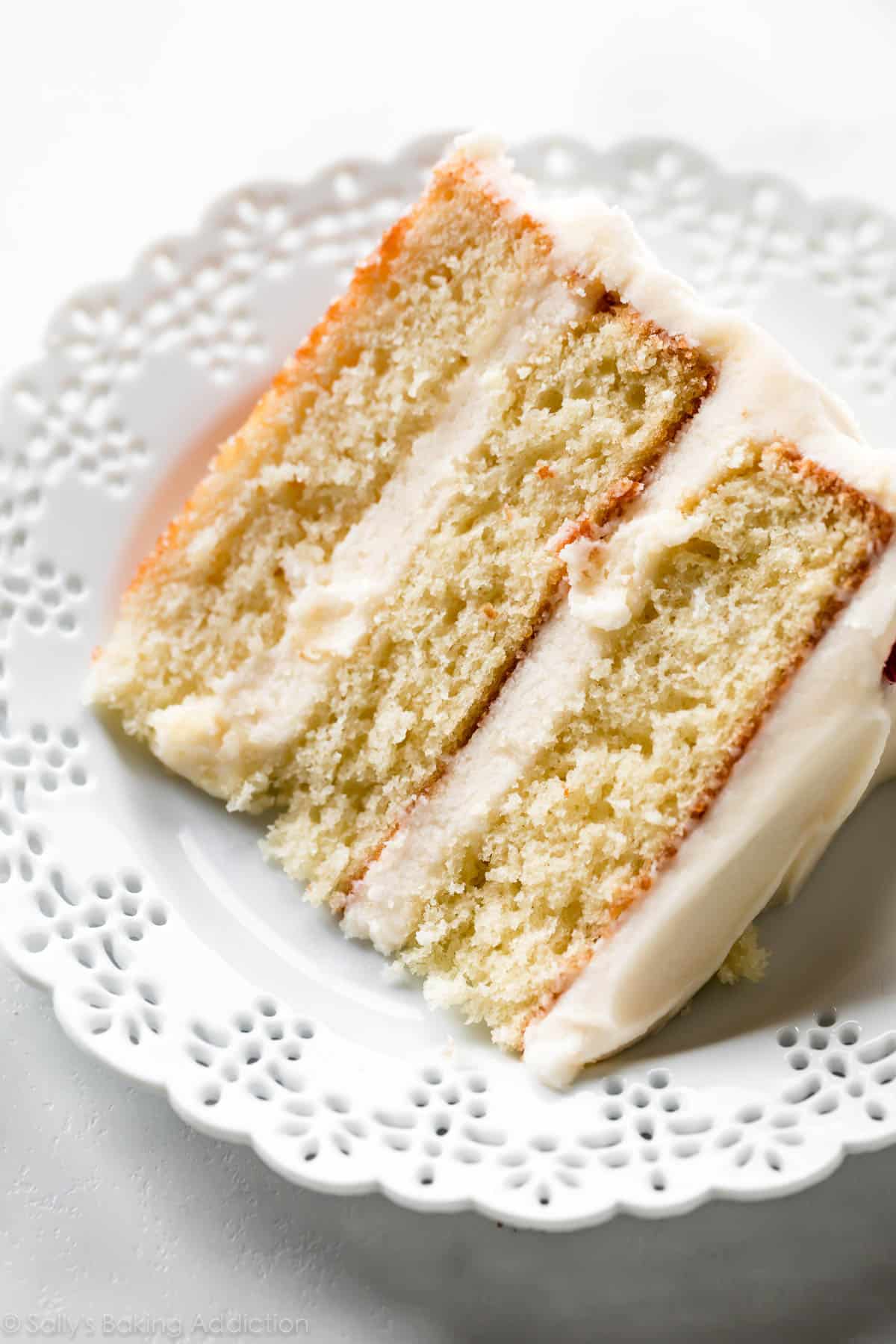
Unlock The Best Vanilla Cake: Moist, Flavorful & Easy From Scratch
Is there anything more universally cherished than a slice of perfectly baked vanilla cake? That delicate crumb, the intoxicating aroma, and a taste that’s both comforting and celebratory – it’s a timeless classic. But too often, home bakers settle for dry, bland, or overly sweet versions. What if we told you that achieving the **best vanilla cake recipe** – one that's incredibly moist, bursting with authentic vanilla flavor, and surprisingly easy to make from scratch – is entirely within your reach? Forget those disappointing boxed mixes; your new go-to recipe for every occasion, from casual treats to grand celebrations, starts here.
The Secret to Unforgettable Flavor and Texture
What truly elevates a good vanilla cake to the realm of the *best*? It's a harmonious balance of thoughtful ingredients and precise techniques, designed to deliver a cake that's light, tender, and perfectly balanced in sweetness. This isn't just another cake; it's an experience.
Our journey to the ultimate vanilla cake begins with a few key differentiators:
* **A Symphony of Fats:** Many recipes choose butter OR oil. We embrace both!
Salted butter provides that rich, classic flavor profile that’s simply irresistible, while a touch of
vegetable oil is the unsung hero for unparalleled moisture, ensuring your cake stays tender for days. This strategic combination means you don’t have to compromise on either taste or texture.
* **Bold Vanilla Presence:** This isn't the time for subtlety. A generous full tablespoon of high-quality
pure vanilla extract is crucial. It imbues every bite with an unmistakable, deep vanilla essence that truly shines, making this a true vanilla lover's dream.
* **The Buttermilk Advantage:** Adding
buttermilk serves multiple purposes. Its acidity reacts with the baking powder to create a beautifully light and airy crumb, while its slight tang cuts through the sweetness, adding a sophisticated depth of flavor.
* **Cake Flour for the Win:** For that coveted, soft, cloud-like texture,
cake flour is non-negotiable. Its lower protein content results in a much more tender crumb compared to all-purpose flour, making a noticeable difference in the final product. For an even deeper dive into the essential components that make this cake extraordinary, you might find valuable insights in our article on
Secrets to The Most Amazing Vanilla Cake: Ingredients & Methods.
Mastering Your Ingredients: Why Room Temperature Matters
Baking is a science, and temperature plays a vital role in the chemical reactions that create a perfect cake. When it comes to the **best vanilla cake recipe**, several ingredients work best at room temperature, and it’s worth the small effort to ensure they are.
**Why is Room Temperature So Important?**
Room temperature ingredients mix together far more effectively, creating a smoother, more emulsified batter. This smooth batter leads to an even bake and a superior, consistent texture in your finished cake. Cold ingredients can cause the batter to curdle or become lumpy, resulting in a denser, less uniform crumb.
Here's how to quickly get your ingredients up to speed:
* **Butter:** Cut your butter into smaller cubes or slices. This increases its surface area, allowing it to soften much faster than a solid stick.
* **Eggs:** Submerge your eggs in a bowl of warm (not hot!) water for about 5 minutes. They’ll be perfectly tempered without cooking.
* **Buttermilk:** A quick zap in the microwave for 20-30 seconds until just warm will bring your buttermilk to the ideal temperature.
**A Closer Look at Key Ingredients:**
* **Salted Butter:** Convenient and flavorful. If you only have unsalted butter, simply add an extra pinch (about 1/8 teaspoon) of salt to the dry ingredients to maintain that flavor balance.
* **Vegetable Oil:** Critical for moisture. Choose a neutral-flavored oil like canola or sunflower oil.
* **Granulated Sugar:** Stick to standard white granulated sugar for the best texture and sweetness.
* **Buttermilk:** As mentioned, it's a game-changer for moisture and tang. Don't skip it!
* **Eggs:** Provide structure and richness. Ensure they are at room temperature for optimal emulsification.
* **Vanilla Extract:** Invest in pure vanilla extract. The difference in flavor quality is substantial and makes all the difference in a recipe where vanilla is the star.
* **Cake Flour:** The secret to a tender crumb. If you absolutely must substitute with all-purpose flour, measure it carefully and sift it thoroughly multiple times to aerate it and mimic the lightness of cake flour as much as possible, though the texture will still be slightly denser.
* **Baking Powder:** The primary leavening agent. Always check the expiration date! Old baking powder is a common culprit for dense cakes that fail to rise properly.
Baking Beyond the Basics: Tips for Perfect Results
Crafting the **best vanilla cake recipe** involves more than just mixing ingredients; it’s about understanding the nuances of baking.
The Reverse Creaming Method Advantage
While many traditional cake recipes start by creaming butter and sugar, this recipe often benefits from the *reverse creaming method*. This technique involves combining your dry ingredients with the softened butter first, coating the flour particles in fat before liquids are introduced. This method helps to:
* **Minimize Gluten Development:** By coating the flour, you inhibit excessive gluten formation, leading to an incredibly tender, soft, and cloud-like crumb.
* **Enhance Moisture:** The butter is more evenly distributed, resulting in a consistently moist cake.
* **Fewer Air Pockets:** It creates a finer, more even crumb structure, eliminating large air holes.
If you’ve never tried it, you’ll be amazed at the difference it makes in the final texture of your vanilla cake!
Achieving the Perfect Bake
* **Oven Temperature:** Always preheat your oven fully. An oven thermometer is a great investment to ensure your oven is truly at the temperature you set it to.
* **Pan Preparation:** Grease and flour your pans thoroughly, or line them with parchment paper circles on the bottom. This prevents sticking and ensures your beautiful cake releases easily.
* **Doneness Check:** A wooden skewer or toothpick inserted into the center should come out clean. The cake should also spring back lightly when gently pressed. Avoid opening the oven door too early, especially in the first two-thirds of the baking time, as this can cause the cake to collapse.
* **Cooling:** Allow cakes to cool in their pans on a wire rack for 10-15 minutes before inverting them onto the rack to cool completely. Attempting to frost a warm cake is a recipe for disaster!
Versatility in Every Batch
One of the beautiful aspects of this **best vanilla cake recipe** is its adaptability.
* **Cupcakes:** This batter is fantastic for cupcakes! Line muffin tins and bake for approximately 18-22 minutes at 350°F (175°C), or until a toothpick comes out clean.
* **Layer Cakes:** Easily create a show-stopping layered cake. For thinner 9-inch layers, divide the batter evenly among three pans and reduce baking time to 20-25 minutes. For thicker 8-inch layers, expect slightly longer baking times. Always remember to fill pans no more than two-thirds full to prevent overflow. For more detailed guidance on adapting your vanilla cake for different forms and baking perfectly every time, check out
Your Ultimate Vanilla Cake Guide: Layers, Cupcakes & Perfect Bake.
Troubleshooting Common Cake Conundrums
Even experienced bakers encounter a challenge now and then. Here are solutions to common issues when making the **best vanilla cake recipe**:
* **Why is my cake dense?** A dense cake can be caused by several factors:
* **Overmixing:** Once you add the flour, mix only until just combined. Overmixing develops too much gluten, leading to a tough, dense texture.
* **Cold Ingredients:** As discussed, cold ingredients don't emulsify well, resulting in a heavier batter.
* **Expired Leavening:** Old baking powder won't activate properly, preventing the cake from rising.
* **Too Much Flour:** Incorrect measurement, especially if you pack your flour instead of spooning it lightly into the measuring cup, can lead to a dry, dense cake.
* **Why is my cake dry?** This is often a result of overbaking. Keep a close eye on your cake and check for doneness at the earliest recommended time. An accurate oven thermometer can also help prevent this.
* **Why did my cake sink in the middle?** This can happen if the oven door was opened too early, if the cake wasn't fully baked, or sometimes due to an issue with leavening agents.
Conclusion
There you have it – the definitive guide to baking the **best vanilla cake recipe** you'll ever taste. Moving beyond the limitations of boxed mixes, you're now equipped with the knowledge, tips, and techniques to create a cake that is genuinely moist, incredibly flavorful, and beautifully tender, all from scratch. This isn't just a recipe; it's an invitation to elevate your baking skills and delight everyone who takes a bite. So, gather your room-temperature ingredients, preheat your oven, and prepare to unlock the magic of homemade vanilla cake. Happy baking!