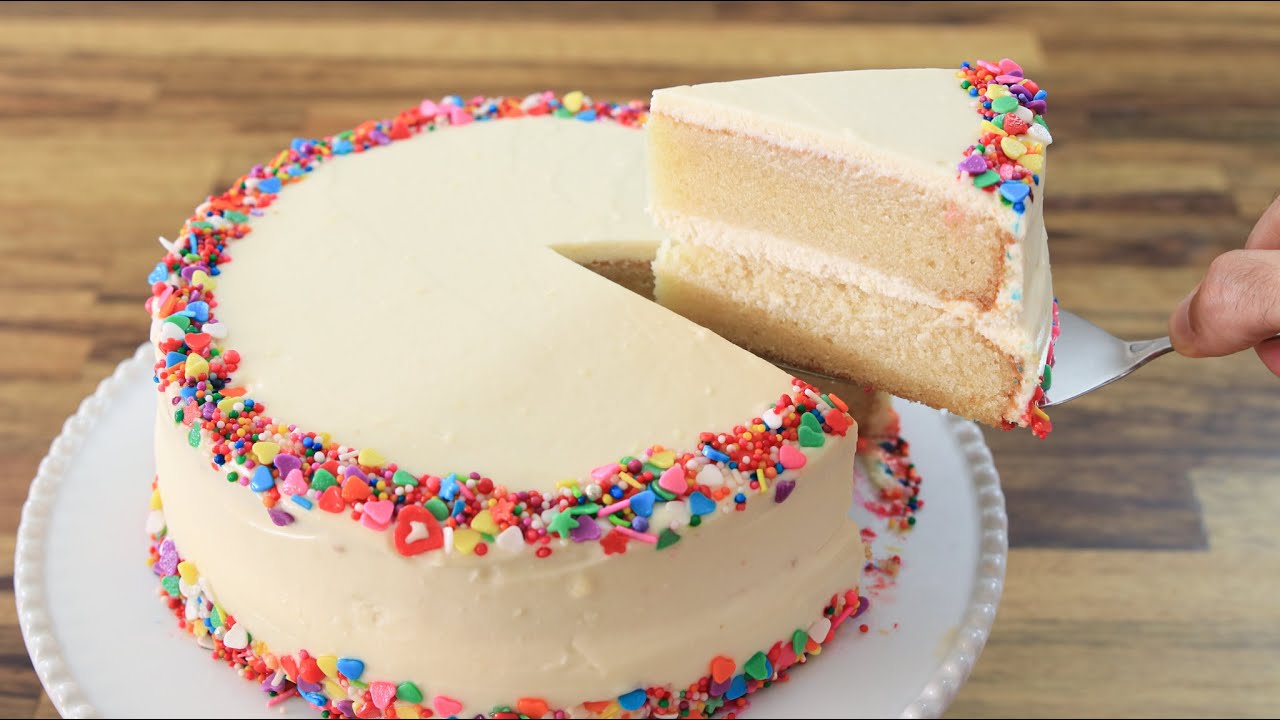
There’s something undeniably magical about a perfectly baked vanilla cake. It’s a timeless classic, a canvas for celebration, and a comforting treat that evokes warmth and nostalgia. But achieving that elusive balance of light, moist, and profoundly flavorful can feel like a culinary quest. If you’ve been searching for the holy grail of homemade baking, you’re in the right place. We're about to unlock the secrets to creating the best vanilla cake recipe you'll ever taste, moving far beyond the ordinary to craft a dessert that truly shines.
The Quest for the Best Vanilla Cake Recipe: What Makes It Stand Out?
What elevates a good vanilla cake to the realm of the truly amazing? It’s not just one factor, but a harmonious symphony of ingredients and techniques that result in a cake that is:
- Light and Tender: The crumb should be delicate, almost cloud-like, melting in your mouth without being dense or gummy.
- Perfectly Moist: A dry cake is a culinary tragedy. The ideal vanilla cake retains moisture, staying fresh and delightful for days.
- Balanced in Flavor: It should be sweet, but not cloyingly so, with a clear, resonant vanilla note that isn't overwhelmed. A subtle tang can often balance the richness beautifully.
- Versatile: Whether destined to be a grand multi-layered centerpiece, elegant cupcakes, or a simple sheet cake for a casual gathering, an amazing vanilla cake recipe should adapt seamlessly to any occasion.
Say goodbye to disappointing boxed mixes. With the right knowledge and a little patience, you can achieve a homemade masterpiece that will become your new go-to. For a deeper dive into crafting this perfect dessert, explore Unlock The Best Vanilla Cake: Moist, Flavorful & Easy From Scratch.
Essential Ingredients: The Building Blocks of a Superior Vanilla Cake
The foundation of any extraordinary cake lies in the quality and proper preparation of its ingredients. Each component plays a crucial role in achieving that sought-after texture and flavor. Here’s a breakdown of the key players in your best vanilla cake recipe:
The Dynamic Duo: Butter and Vegetable Oil
- Salted Butter: Butter provides unparalleled flavor and richness. Using salted butter is convenient for most home cooks, but if you opt for unsalted, remember to add an extra pinch of salt (about 1/8 teaspoon) to the recipe to balance the flavors and enhance sweetness.
- Vegetable Oil: This is where the magic of moisture truly happens. While butter contributes flavor, vegetable oil ensures a remarkably soft, moist crumb that stays tender longer. The combination delivers the best of both worlds: rich taste and incredible texture.
Flavor & Leavening
- Pure Vanilla Extract: This is non-negotiable for a truly amazing vanilla cake. Use a generous full tablespoon to ensure the vanilla flavor truly shines. Opt for pure vanilla extract over artificial for the most authentic and robust taste. For an even more intense, speckled vanilla experience, consider using vanilla bean paste or the scraped seeds from a fresh vanilla bean.
- Granulated Sugar: Standard granulated sugar is key for moisture retention, tenderness, and proper browning. Stick to it for the best results.
- Baking Powder: This leavening agent is responsible for the cake's lift and airy texture. Always check the expiration date; old baking powder can lead to a dense, flat cake.
The Secret to a Tender Crumb & Moisture
- Cake Flour: This is a game-changer for a truly light and tender crumb. Cake flour has a lower protein content than all-purpose flour, which means less gluten development and a more delicate cake. If you don't have cake flour, you can approximate it by measuring out all-purpose flour, removing two tablespoons per cup, and replacing them with two tablespoons of cornstarch, then sifting thoroughly. However, for the absolute best result, dedicated cake flour is recommended.
- Buttermilk: It's not just for pancakes! Buttermilk adds a delightful tang that balances the sweetness and contributes significantly to the cake's moisture and tenderness. Its acidity also interacts with the baking powder to help the cake rise beautifully.
Room Temperature Ingredients: A Non-Negotiable Step
Many recipes stress this, and for good reason. Room-temperature ingredients are vital for a smooth, emulsified batter and an even bake. They mix together more easily and create a stable emulsion, leading to a much better texture in the final cake. Here’s how to quickly get them ready:
- Butter: Cut it into smaller pieces and let it sit on the counter for 30-60 minutes, or microwave for short bursts (5-10 seconds) until slightly softened but not melted.
- Eggs: Submerge them in a bowl of warm (not hot) water for 5-10 minutes.
- Buttermilk: Microwave for 20-30 seconds until just warm to the touch.
Mastering the Method: Techniques for an Unforgettable Crumb
Beyond the ingredients, the method you employ significantly impacts the cake's texture. While traditional creaming methods are common, one particular approach stands out for its ability to produce an incredibly moist and tender cake with a cloud-like crumb: the reverse creaming method.
The Reverse Creaming Method Explained
Unlike traditional methods where butter and sugar are creamed first, the reverse creaming method begins by combining the dry ingredients (flour, sugar, baking powder, salt) with the softened butter. This coats the flour particles with fat, inhibiting gluten development and resulting in an exceptionally tender crumb. Liquids are then added gradually, and the batter is mixed for slightly longer than usual to ensure everything is thoroughly combined and emulsified. This technique minimizes the risk of overdeveloping gluten, which can lead to a tough cake.
Mixing and Baking Tips
- Don't Overmix: Once you add the wet ingredients, mix only until just combined. Overmixing develops gluten, leading to a tough, chewy cake rather than a tender one.
- Proper Pan Preparation: Grease and flour your cake pans thoroughly, or line the bottoms with parchment paper circles. This prevents sticking and ensures your beautiful cake releases easily.
- Fill Pans Correctly: Always fill your cake pans no more than two-thirds full to prevent overflow and ensure an even rise.
- Monitor Oven Temperature: An accurate oven thermometer is your best friend. Inconsistent oven temperatures can lead to uneven baking or dryness.
- Test for Doneness: Insert a wooden skewer or toothpick into the center of the cake. It should come out with a few moist crumbs, but not wet batter. The cake should also spring back lightly when gently pressed.
Troubleshooting & Customization: Perfecting Your Vanilla Cake Journey
Even with the best vanilla cake recipe, challenges can arise. Knowing how to troubleshoot and customize your cake will make you a confident baker.
Common Cake Problems & Solutions
- Why is my cake dense? This is often due to overmixing (developing too much gluten), using cold ingredients (which don't emulsify properly), old or expired leavening agents (baking powder), or substituting cake flour with all-purpose flour without proper adjustment.
- Why is my cake dry? The most common culprits are overbaking, measuring too much flour (which absorbs too much moisture), or not enough fat/liquid in the recipe. Always use a kitchen scale for accuracy if possible.
Pan Conversions & Customization
This versatile vanilla cake batter is perfect for various creations:
- Layer Cakes: For a standard two-layer 9-inch cake, the recipe typically works well. If using 8-inch pans, expect slightly thicker layers and adjust baking time. For 10-inch pans, layers will be thinner. To make a stunning three-layer cake, simply divide the batter evenly among three 9-inch pans and reduce baking time slightly, checking for doneness after 20-25 minutes.
- Cupcakes: This batter makes incredible cupcakes! Line a muffin tin with paper liners, fill each two-thirds full, and bake at 350°F (175°C) for 18-22 minutes, or until a toothpick comes out clean.
- Sheet Cakes: A single recipe can often be baked in a 9x13-inch pan for a simple, delicious sheet cake.
For more detailed guidance on adapting your vanilla cake for different occasions and ensuring a perfect bake every time, refer to Your Ultimate Vanilla Cake Guide: Layers, Cupcakes & Perfect Bake.
Frosting & Embellishments
A phenomenal vanilla cake deserves an equally amazing frosting. Classic choices include:
- Vanilla Buttercream: A timeless pairing that complements the cake's flavor.
- Cream Cheese Frosting: Adds a delightful tang and richness.
- Chocolate Ganache: For those who love the classic vanilla-chocolate combination.
Don't be afraid to experiment with flavor extracts in your frosting, fresh berries, or sprinkles to make your cake truly your own.
Conclusion
Crafting the best vanilla cake recipe from scratch is a rewarding journey, transforming simple ingredients into an extraordinary dessert. By understanding the critical role of each component, embracing precise techniques like using room-temperature ingredients and considering the reverse creaming method, and being mindful of baking nuances, you can consistently achieve a cake that is light, moist, tender, and bursting with pure vanilla flavor. This comprehensive guide provides you with all the knowledge and tips you need to bid farewell to dry, bland cakes and welcome a new era of homemade vanilla perfection into your kitchen.
